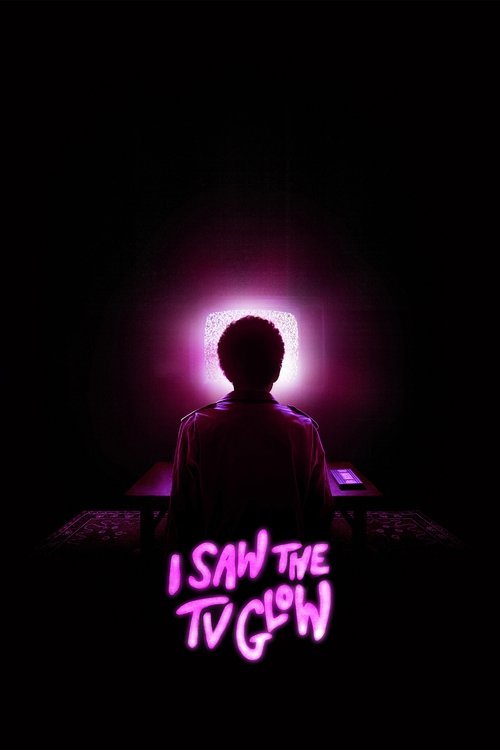
Jane Schoenbrun's sophomore feature is a haunting meditation on identity, nostalgia, and the terror of living a life that isn't yours.
Jane Schoenbrun's I Saw the TV Glow is not a horror movie in any conventional sense. There are no jump scares, no monsters (well, not obvious ones), no violence. What it offers instead is something rarer and more unsettling: the creeping dread of an unlived life, the horror of being buried alive inside yourself.
Justice Smith plays Owen, first as a withdrawn teenager, then as a hollowed-out adult, obsessed with a Buffy-esque TV show called The Pink Opaque. His friendship with the older Maddy (Brigette Lundy-Paine) revolves around the show—until Maddy vanishes and returns with impossible claims about the nature of reality.
Schoenbrun, who is trans, has spoken openly about the film as a trans allegory, and that reading is impossible to miss. Owen's journey is one of repression and unrealized identity—the horror comes from watching him choose, again and again, the safety of denial over the terror of becoming himself.
The film's aesthetic evokes 1990s nostalgia while rendering it uncanny—VHS tracking errors, cathode-ray glow, suburban landscapes that feel slightly wrong. It's dreamy and nightmarish in equal measure, the visual language of dissociation made cinematic.
I Saw the TV Glow divided audiences—some found it slow and opaque, others found it devastating and deeply personal. For viewers who recognize themselves in Owen's paralysis, it may be one of the most affecting horror films ever made.
Pros
- + Deeply personal trans allegory
- + Stunning, dreamlike visual style
- + Justice Smith's haunting performance
Cons
- - Deliberately slow pacing
- - Opaque narrative may alienate some viewers
Verdict
A dreamlike horror of unrealized identity that will devastate those who recognize its truth.